

Types
Position
Layout
blog
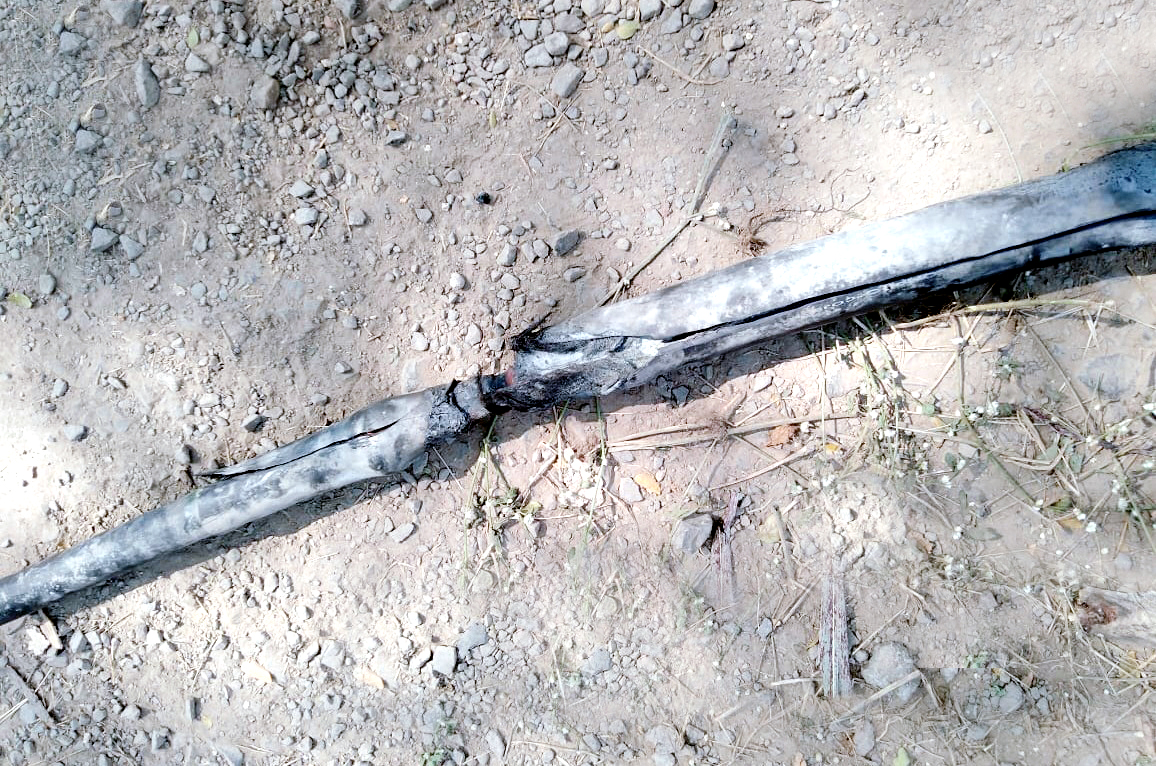
Power cables form the backbone of modern electrical infrastructure carrying energy reliably across cities, industries, renewable power plants, and utilities. While cables themselves are designed with high levels of insulation reliability, the connection points- particularly cable joints often become the most vulnerable locations in the network.
Across medium voltage networks worldwide, a large percentage of cable failures can be traced not to the cable itself but to the jointing system or installation practices.
Cable joints must maintain electrical integrity, insulation strength, mechanical stability, and environmental sealing throughout their operational life. When any of these factors are compromised, the risk of failure increases significantly.
Understanding the root causes behind cable joint failures helps utilities, EPC contractors and installers improve installation quality and ensure long-term reliability.
This article explores the five most common reasons cable joints fail in medium voltage power systems.
Moisture ingress remains one of the most common causes of cable joint failures, particularly in underground networks.
Water can enter the joint due to:
• Poor sealing of outer protective layers
• Improper heat shrink installation
• Damaged cable sheath during installation
• Long-term environmental exposure
Once moisture penetrates the joint, it can lead to water treeing inside XLPE insulation, a phenomenon where microscopic channels form within the insulation due to electrical stress and moisture interaction. Over time, these water trees grow and weaken the insulation structure, eventually leading to partial discharge and dielectric breakdown.
A well-designed joint must provide complete environmental sealing and moisture protection, especially in challenging environments such as underground ducts, coastal regions or high-humidity installations.
Proper cable preparation is one of the most critical steps during joint installation. Even small mistakes during insulation stripping or conductor preparation can introduce long-term reliability risks.
Common preparation errors include:
• Uneven insulation cutting
• Improper chamfering of insulation edges
• Scratches on XLPE insulation
• Residual semi-conductive layer contamination
• Metallic particles or dust left on insulation surfaces
These imperfections can create localized electric stress concentrations, which may trigger partial discharge activity over time. Proper use of specialized cable preparation tools and strict installation procedures is essential to ensure that the insulation surface remains smooth and contamination-free before joint installation.
Electrical tracking occurs when conductive paths develop along the surface of insulating materials due to contamination, moisture, or poor stress control.
In cable joints, tracking can occur when:
• Stress control layers are improperly installed
• Insulation interfaces are not tightly compressed
• Contamination exists on insulation surfaces
• Moisture is present within the joint
Once surface tracking begins, it gradually carbonizes insulation surfaces and weakens dielectric performance. Over time, this may result in flashover or catastrophic joint failure.
High-quality jointing systems are engineered with precise stress grading materials and optimized insulation interfaces, which help control electric fields and prevent tracking initiation.
The electrical connection between conductors inside a cable joint must maintain low resistance and high mechanical stability throughout the service life of the installation.
Improper torque during connector installation can lead to several problems:
• High electrical resistance
• Localized overheating
• Thermal expansion and contraction damage
• Conductor strand deformation
Under-tightened connectors can create loose electrical contacts, while excessive tightening may damage conductor strands or improperly shear mechanical connector bolts.Both scenarios increase the risk of thermal hotspots, which can gradually degrade insulation and ultimately lead to joint failure.
Using correct torque values, calibrated tools, and approved connectors is essential to ensure reliable conductor connections.
Air gaps inside cable joints are extremely dangerous in medium voltage insulation systems. Air has a much lower dielectric strength compared to solid insulation materials. Even small voids within the insulation system can become sites for partial discharge activity.
These discharges gradually erode insulation materials and may eventually lead to electrical treeing and insulation breakdown.
Air voids can form due to:
• Improper installation techniques
• Poorly fitted insulation layers
• Insufficient interface pressure between components
Modern jointing technologies such as pre-moulded and cold shrink systems and advanced stress control materials significantly reduce the risk of void formation by ensuring uniform insulation pressure around the cable.
In many failure investigations conducted across utilities and power networks, the root cause of cable joint failure is often related to installation quality rather than product design.
Even high-quality jointing systems can fail if proper installation practices are not followed.
Key best practices include:
• Proper training of installation technicians
• Use of correct cable preparation tools
• Maintaining clean installation environments
• Following manufacturer installation guidelines
• Ensuring proper sealing and insulation interfaces
Utilities and contractors increasingly recognize the importance of installation training and standardized procedures in improving network reliability.
As electrical infrastructure expands to support growing energy demand, renewable power integration, and urban development, the reliability of medium voltage networks becomes increasingly important.
Cable joints play a critical role in maintaining network continuity. By addressing the common causes of failure such as moisture ingress, surface contamination, electrical tracking, improper torque and air voids- utilities and installers can significantly improve long-term system performance.
Advanced jointing technologies combined with strict installation practices and high-quality materials ensure that cable connections remain reliable even in demanding environments.
Cable joints represent a crucial connection point in medium voltage cable systems. While modern jointing technologies have significantly improved reliability, failures can still occur due to environmental factors, installation errors or inadequate surface preparation.
Understanding the common causes of cable joint failures allows utilities and engineers to implement better practices and choose reliable jointing solutions.
With proper installation techniques, high-quality materials and advanced insulation technologies, cable joints can deliver long-term electrical reliability and operational safety for critical power networks.
COMPAQ International is a global manufacturer of medium and high-voltage cable accessories, including cable joints, terminations, separable connectors and insulation protection solutions. With installations across more than 40 countries, COMPAQ products are designed to deliver reliable performance in utilities, renewable energy projects, industrial facilities and infrastructure networks worldwide.

Need Help?
Our experts are ready
Our experts are available for on-site support, remote
guidance and tailored engineering.